From Phone Tag to a Clear Request: Booking Help on a Jobsite
Using the Board · Jul 17, 2026 · 11 min read
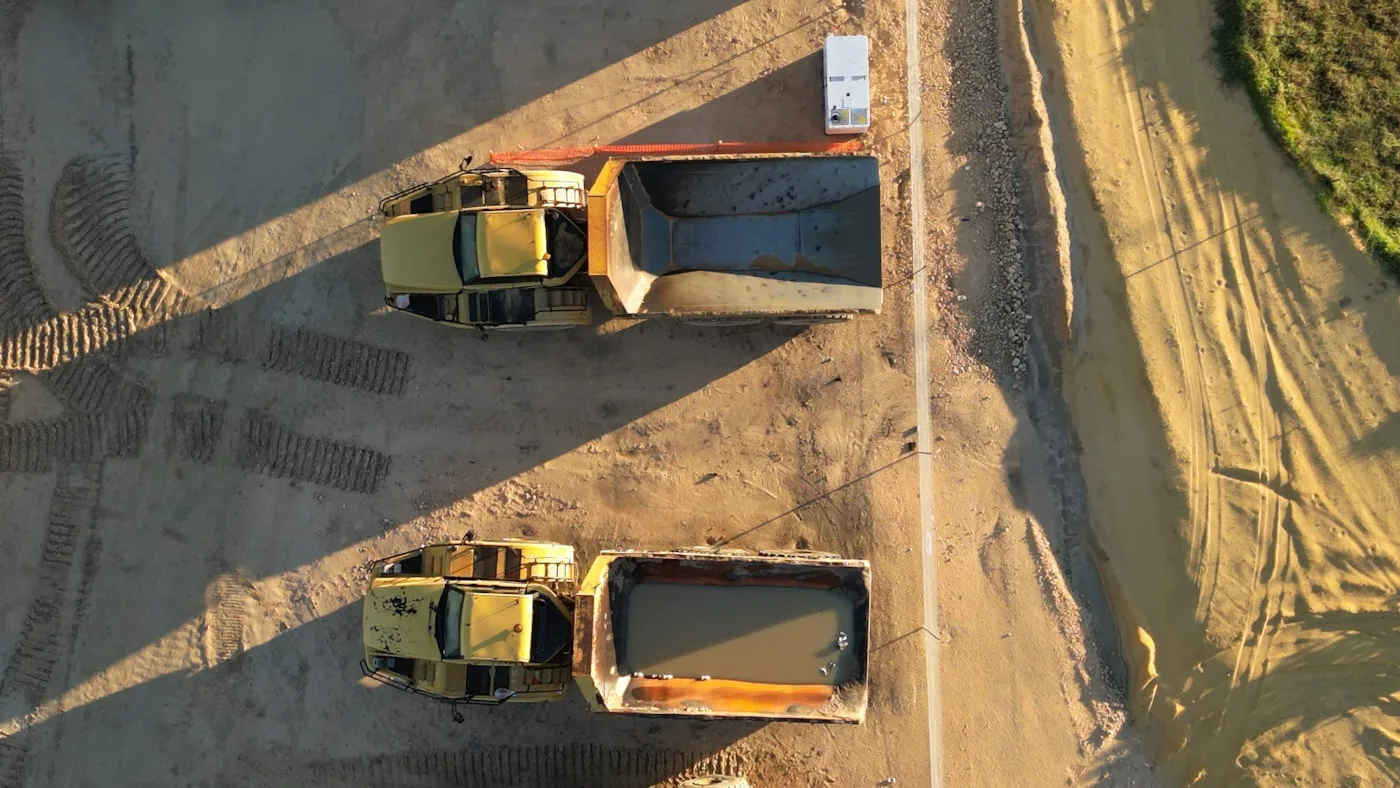
On most jobsites, needing dirt moved or trucks lined up does not start with a neat form. It starts with a foreman texting three people, a GC calling a hauler who already booked out, and a thread that goes quiet until someone finally answers at 6:40 a.m. That is not laziness - it is how field coordination has worked for decades. The friction shows up when the pile hits the crane swing, the pour path closes, or the import window slips a day. Jobsite Exchange gives crews a place to publish that clear request on the Dirt Board and, when needed, ask for haul introductions - without replacing the phone calls you already trust.
Ready to write the clear request? Post export or import listings on the Dirt Board with material, yards, and gate hours - so nearby crews see the full picture on the first look. Post a listing
What has changed is not the work itself. Export still leaves the cut. Fill still has to meet spec. Independent dump trucks still earn their day by cycle time and gate access. What can change is how quickly you turn a fuzzy need into a request other people can act on - material, quantity, window, and access - without another round of phone tag.
What a Clear Request Looks Like
Whether you are writing it on a whiteboard, in a text, or on an open listing, the same details decide whether someone can help you today or has to call back for basics. Skip the jargon. Put the job facts first.
The five fields that stop the bounce-back calls
- Export or import: Surplus leaving the site, material coming in, or haul capacity only - say which one up front.
- Material and approximate yards: Clean fill, topsoil, rock, concrete, mixed demo - plus a rough cubic-yard range, even if it is a guess you will refine.
- Window and urgency: This week, next Monday, or “pile is in the way by Thursday” - calendars beat “ASAP” every time.
- Gate, staging, and truck type: Hours, radio channel if you use one, soft ground, and whether you need end-dumps, transfers, or a box.
- How to reach the decision-maker: A name and number that answers during load-out beats a general office line that rings to voicemail.
Field note A clear request is not a signed haul contract. It is the shared starting point so GCs, excavators, and independent haulers can decide if the work fits - then they work out price, tickets, and schedule directly.
What Are You Trying to Do?
Different problems need different next steps. Use the chooser below, then write the five fields above before you call anyone.
What are you trying to do?
- I have surplus dirt or material: Lead with material type, approximate yards, and when it must leave. Note if it is documented clean fill. Posting an open have-dirt listing puts those facts where nearby crews and brokers already look - then you vet every response yourself.
- I need fill or material delivered: Spec, volume, delivery window, and dump location matter more than a lowball price. Browse open export near your pin first - closer yards usually beat a cheaper pile thirty miles away.
- I need haul capacity: Say truck type, daily load count, and gate hours. If your usual roster is booked, a haul request can help introduce you to independent providers in the area. Pricing and schedule stay between you and the carrier.
Phone Tag vs. One Clear Ask
The industry will keep using phones. The win is not deleting calls - it is making the first message complete enough that the second call is about price and timing, not “what kind of dirt?”
The old loop
- “Anyone got trucks?” in a group text
- Three partial answers, two no-shows
- Callback asks for yards, gate hours, material class
- Pile grows while details get sorted
One clear request
- Export / import / haul stated up front
- Yards, timing, and access in the first note
- Decision-maker contact that answers
- Follow-ups are about fit, rate, and start day
For General Contractors and PMs
Treat dirt and haul like any other long-lead item. When the cut date is on the look-ahead, the request should already exist - even as a draft. Owner-operators and excavators plan their weeks early; a Friday afternoon scramble is how you pay premium rates for leftover capacity.
- Put export and import on the same look-ahead as concrete and steel
- Keep a short list of providers you trust, and still write the full request when you reach outside it
- Separate “need trucks” from “need material” so the right people answer
For Excavation Crews
You see the pile and the production rate first. Flag when bank yards will become loose yards, when rock will show up, and when weather will cut loads short. A clear request from the field often lands faster than waiting for the trailer office to rewrite it.
- Photo the stockpile and note approximate height and footprint
- Call out soft staging or tight turns before the first truck arrives
- Track loads daily so the GC hears reality, not last week’s estimate
For Independent Haulers
Incomplete jobs waste deadhead miles. When a listing or message includes yards, gate hours, and truck type, you can say yes or no in one pass. Open boards work the same way as a well-written text - they are introductions, not dispatch. You still confirm insurance, tickets, and payment with the other party.
- Ask for the five fields before you quote if they are missing
- State your truck type and earliest start when you reply
- Decline early when access or material does not fit - it saves everyone a wasted roll-in
Where Open Boards Fit Without Replacing the Phone
Jobsite Exchange and tools like it sit alongside how crews already work. You still call the hauler you trust. You still walk the gate with the super. What an open Dirt Board and a haul-request path add is a place to publish the clear request when your roster is full, when you are new to a market, or when surplus dirt could help a site ten miles away that you would never text by accident.
That is the quiet change: fewer dead ends, not louder marketing. Write the request once. Share it with people who can act. Agree price and schedule directly with whoever shows up ready to work.
Common Mistakes to Avoid
- Sending “need trucks ASAP” with no yards, material, or gate hours
- Assuming the other party knows your site rules - radio, PPE, soft ground
- Waiting until the pile blocks production before you write anything down
- Treating a listing or introduction as a guaranteed truck - availability still sits with participating providers
When you need a wider net than your phone contacts, post on the Dirt Board or submit a haul request. Jobsite Exchange helps connect you with independent hauling providers and open listings in your area - pricing, scheduling, and fulfillment stay between you and the other party.
Roster booked out? Submit a haul request and we can help connect you with independent hauling providers near your jobsite. You agree price and schedule directly with the carrier. Request trucks